Seasonal Challenges in Drayage: How Baltimore's Weather Impacts Logistics
AS
Understanding Drayage and Its Importance in Baltimore
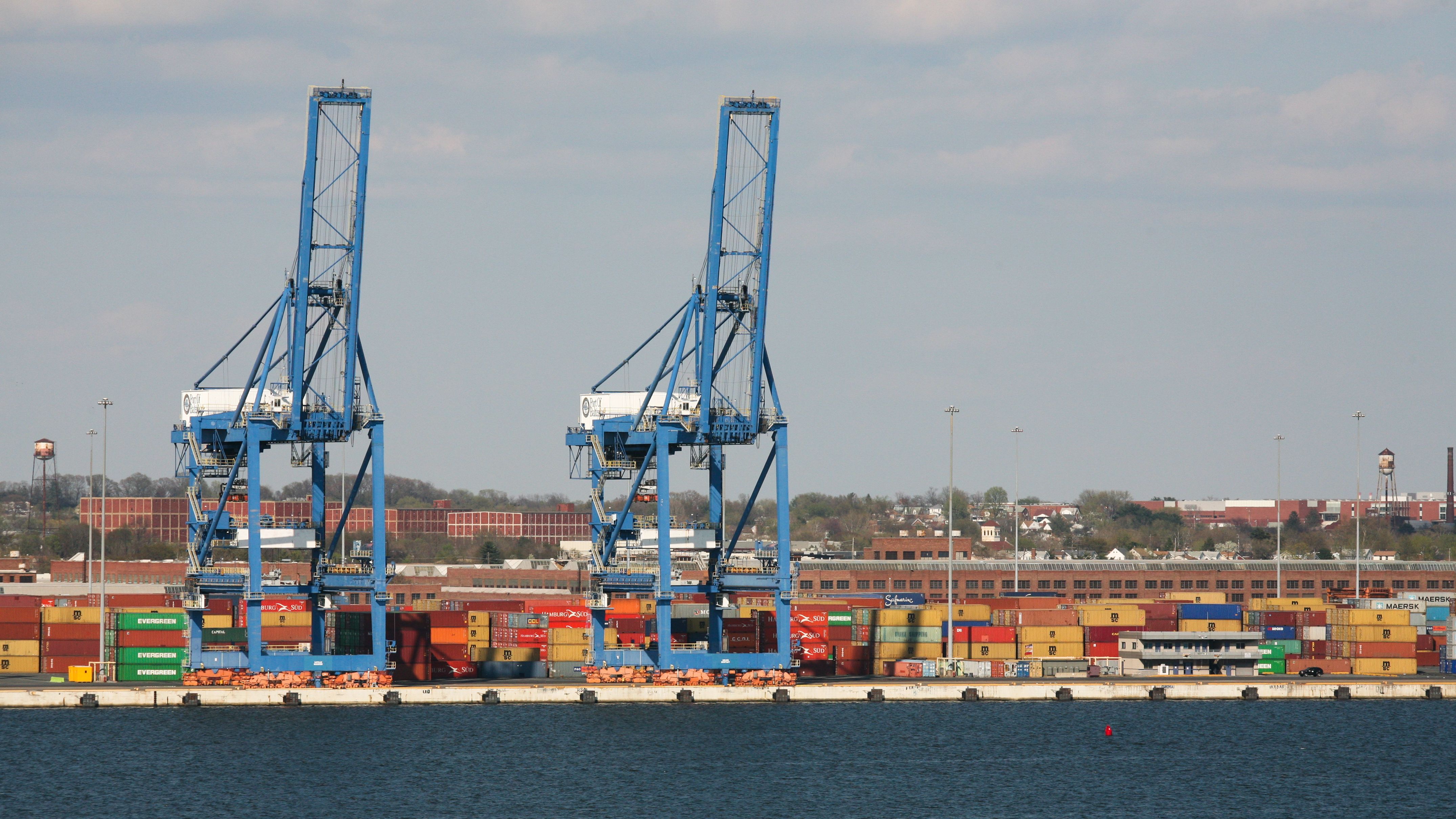
Drayage, the transport of goods over short distances, plays a crucial role in logistics, especially in ports like Baltimore. As a major East Coast hub, Baltimore's port sees a significant amount of drayage activity, connecting ships to rail and road transport. Understanding the challenges posed by the city's unique weather patterns is essential for efficient logistics operations.
In Baltimore, drayage is not just about moving goods; it's about ensuring that these movements are timely and efficient despite seasonal weather changes. The city's proximity to the water adds another layer of complexity, affecting transportation schedules and equipment handling.
Winter Weather and Its Impact on Drayage
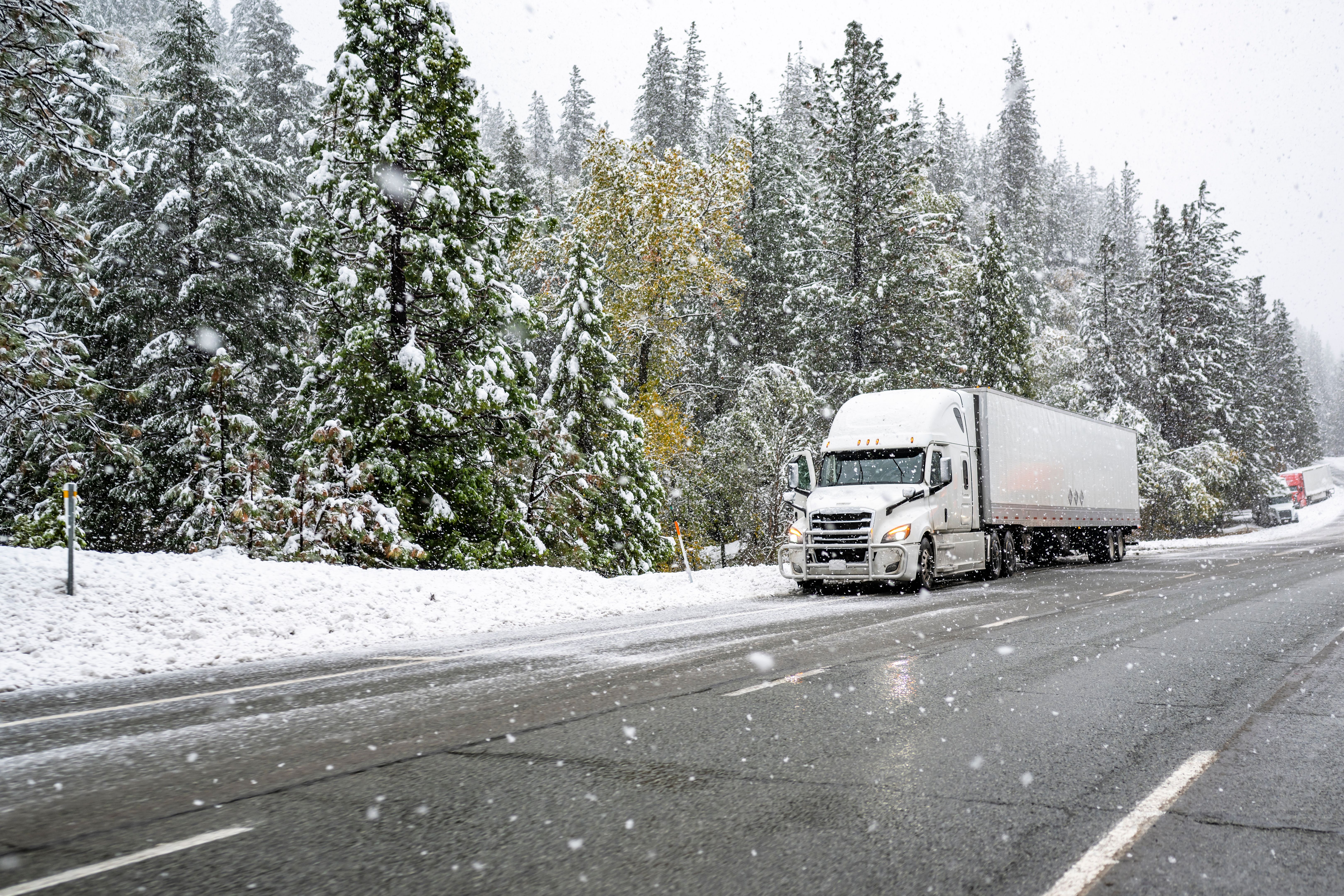
Winter in Baltimore brings about significant challenges for drayage operations. Snow and ice can lead to hazardous road conditions, causing delays and increasing the risk of accidents. The port itself can become congested as workers navigate through these difficulties.
To combat these issues, logistics companies often invest in specialized equipment to handle icy conditions and implement rigorous safety protocols. It's crucial for companies to stay updated with weather forecasts to anticipate and mitigate potential disruptions.
Strategies for Winter Preparedness
1. Utilize weather forecasting tools to plan routes.
2. Equip vehicles with snow tires and other necessary gear.
3. Train staff in winter safety protocols.
4. Develop contingency plans for severe weather events.
Spring and Its Unique Set of Challenges
As winter gives way to spring, Baltimore faces a different set of logistical challenges. The transition period can lead to fluctuating temperatures and unexpected weather changes, affecting drayage operations. Heavy rains and storms are common, which can lead to flooding, impacting roadways and delaying shipments.
Spring is also a time when maintenance and repair work on roads and infrastructure are common, potentially causing detours and further delays. Staying proactive is key to managing these challenges effectively.
Preparing for Spring Weather
1. Monitor weather patterns and adjust schedules accordingly.
2. Communicate with local authorities about road closures and detours.
3. Ensure that equipment is regularly maintained to handle wet conditions.

Summer Heat and Its Effects on Operations
The summer months in Baltimore bring heatwaves that can impact drayage logistics. High temperatures pose risks to both equipment and personnel, necessitating measures to prevent heat-related issues. It's vital for companies to focus on the health and safety of their workers during these months.
Heat can cause mechanical failures, leading to increased maintenance costs and potential delays. Companies must ensure that vehicles are equipped to handle prolonged exposure to high temperatures.
Mitigating Summer Challenges
1. Schedule maintenance checks more frequently.
2. Provide adequate hydration and rest breaks for drivers.
3. Use heat-resistant materials for equipment when possible.

Fall and the Transition to Cooler Weather
As summer ends, Baltimore transitions to fall, bringing milder temperatures but also the potential for unpredictable storms. Autumn can be a period of increased cargo movement, preparing for the holiday season, making efficiency in drayage operations essential.
Fallen leaves can create slippery conditions on roads, and sudden weather changes can disrupt schedules. Companies need to be agile in their operations to adapt to these changes effectively.
Fall Weather Preparedness
1. Regularly clear routes of debris and fallen leaves.
2. Train staff to handle sudden weather changes.
3. Coordinate closely with port authorities for timely information.

Conclusion: Navigating Baltimore's Seasonal Challenges
Each season in Baltimore presents unique challenges for drayage, impacting logistics in various ways. By understanding these seasonal patterns and implementing strategic measures, companies can minimize disruptions and maintain efficiency in their operations. Adapting to weather-related challenges is not just about reacting; it's about proactively planning and ensuring that logistics continue to run smoothly year-round.