Understanding Baltimore’s Drayage Regulations: A Beginner’s Guide
AS
Understanding Baltimore’s drayage regulations is essential for anyone involved in the logistics and transportation industry. Drayage, the transport of goods over a short distance, is a critical link in the supply chain, and knowing the rules can help businesses operate smoothly and efficiently.

What is Drayage?
Drayage refers to the process of transporting goods over a short distance, typically within the same metropolitan area. This is a crucial part of the shipping process, as it involves moving goods from ports to warehouses, distribution centers, or other destinations. In Baltimore, like many other port cities, drayage is a vital service that supports the larger logistics network.
Drayage services in Baltimore are often used to shuttle containers from the Port of Baltimore to various locations. The proximity to major highways and rail lines makes this area a hub for goods movement, requiring efficient drayage operations to ensure timely deliveries.
Regulations and Compliance
Adhering to Baltimore’s drayage regulations ensures that goods are transported safely and efficiently. These regulations cover several aspects, such as vehicle emissions, weight limits, and driver safety. It's important for companies to stay informed about these rules to avoid fines and delays.
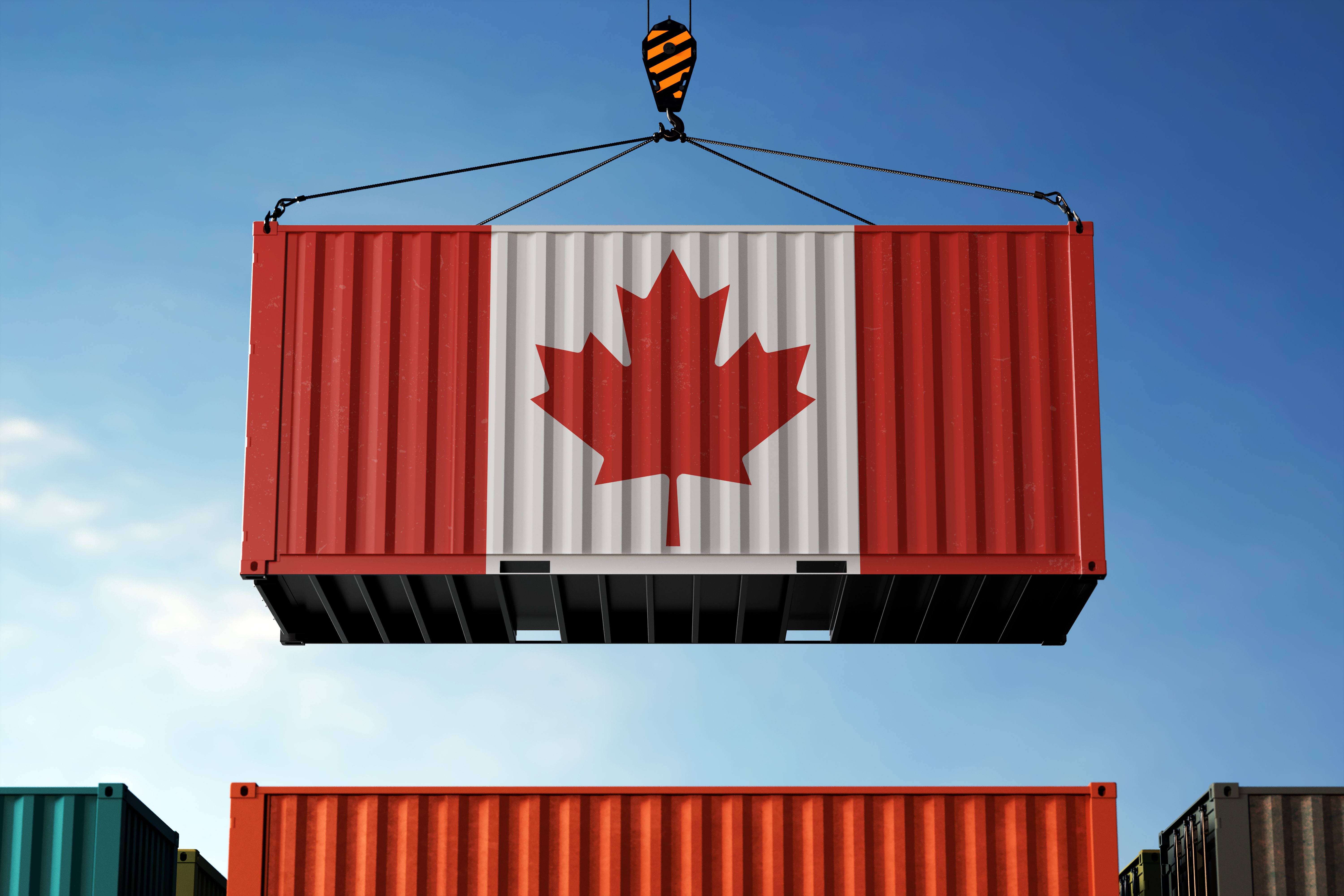
One of the primary regulations involves emissions standards, which are designed to reduce pollution from trucks operating in the area. Businesses must ensure that their vehicles meet these environmental standards to operate legally within the city.
Weight Limits and Restrictions
Weight limits are another crucial aspect of drayage regulations. Trucks must adhere to specific weight restrictions to prevent damage to infrastructure and ensure road safety. Overloaded vehicles can lead to significant fines and pose safety risks, so it is vital for companies to comply with these limits.
Key Stakeholders
Several key stakeholders are involved in Baltimore’s drayage operations. These include trucking companies, port authorities, and regulatory bodies. Each plays a significant role in maintaining efficient and compliant drayage services.
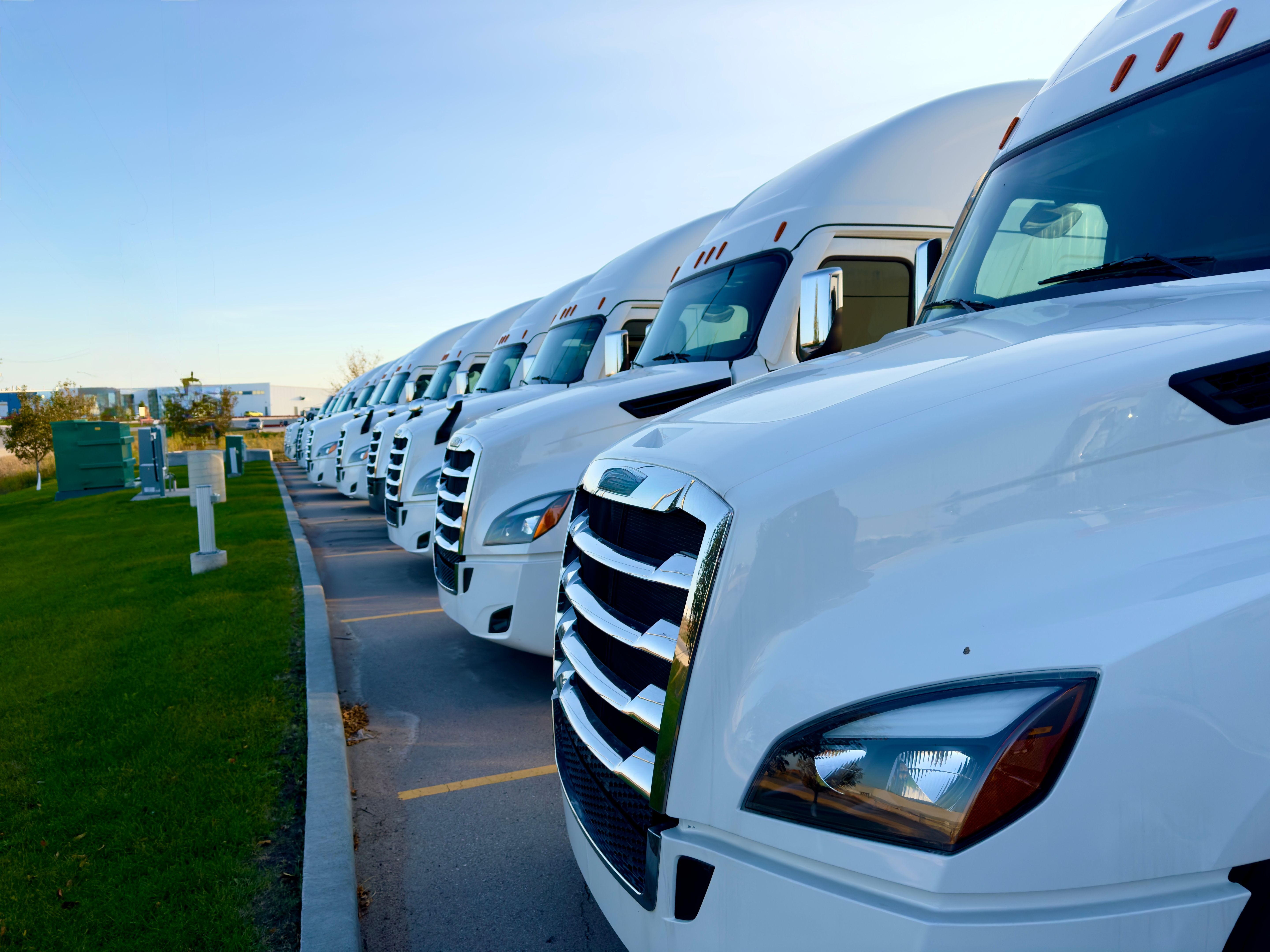
Trucking companies are responsible for ensuring their fleets are compliant with all relevant regulations. Meanwhile, port authorities oversee operations and coordinate with other stakeholders to facilitate smooth logistics flows. Regulatory bodies set and enforce the rules that govern the industry.
Best Practices for Compliance
To navigate Baltimore’s drayage regulations effectively, businesses should implement several best practices:
- Regularly update and maintain vehicles to meet emissions and safety standards.
- Train drivers on compliance requirements and safety protocols.
- Stay informed about regulation changes by subscribing to industry newsletters and updates.
By following these best practices, companies can ensure smooth operations and avoid penalties, contributing to a more efficient supply chain.
Conclusion
Understanding and complying with Baltimore’s drayage regulations is essential for anyone involved in local logistics. By staying informed and adhering to the rules, businesses can ensure their operations are efficient, safe, and environmentally friendly. This not only helps in avoiding fines and delays but also contributes to sustainable business practices.