Understanding Drayage Regulations in the Baltimore Area
AS
Introduction to Drayage in Baltimore
Drayage is a critical component of the logistics and transportation industry, especially in port cities like Baltimore. Understanding the regulations surrounding drayage is essential for businesses involved in shipping and receiving goods. In this article, we delve into the specifics of drayage regulations in the Baltimore area, highlighting key considerations and compliance requirements.

What is Drayage?
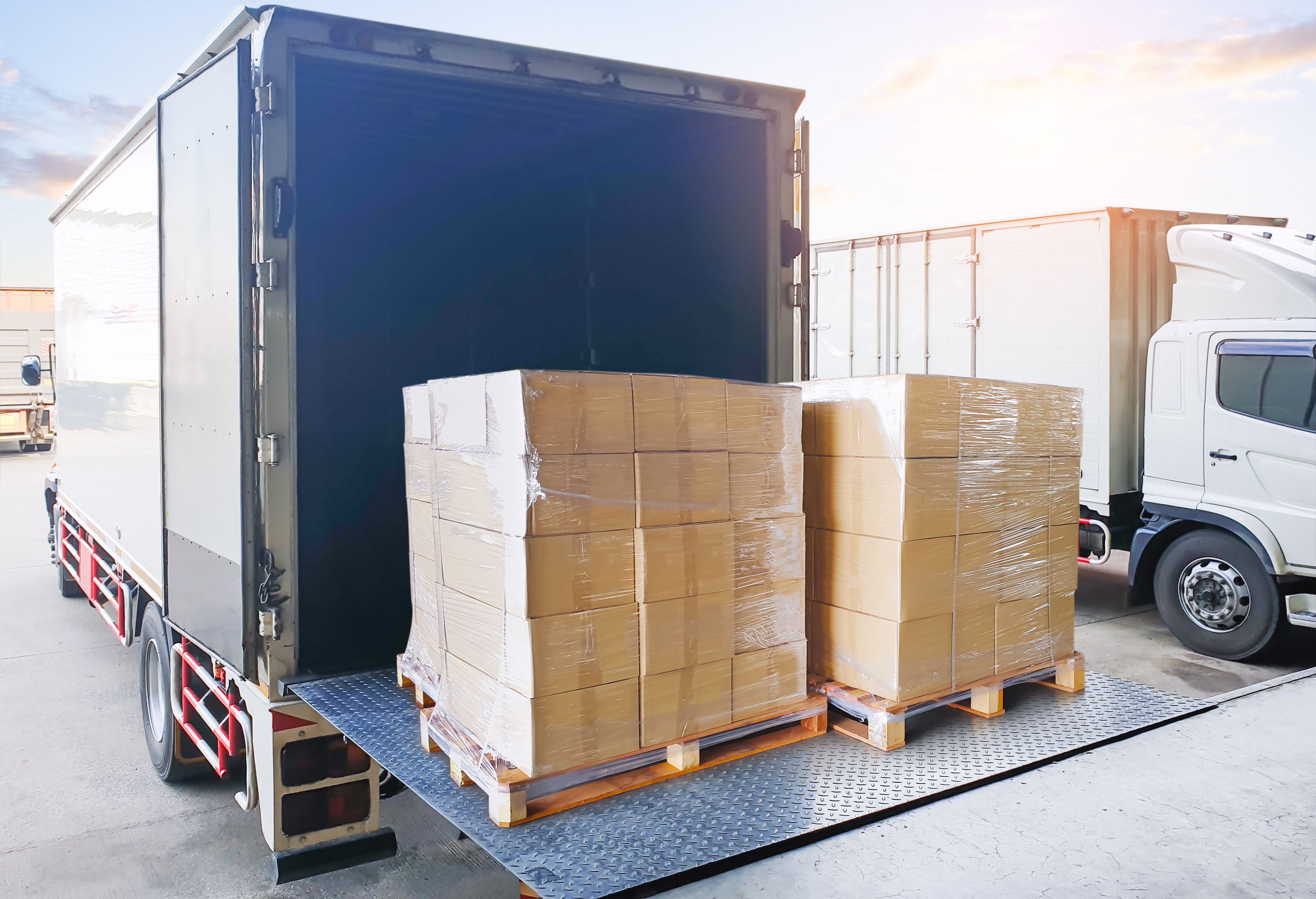
Drayage refers to the transportation of goods over short distances, typically from a port to a nearby warehouse or distribution center. It is a crucial step in the supply chain, serving as the bridge between ocean freight and domestic logistics. Drayage is often characterized by its short-haul nature and the use of specialized equipment.
Types of Drayage Services
There are several types of drayage services, including:
- Inter-carrier drayage: Moving freight between different carriers.
- Intra-carrier drayage: Transporting goods within the same carrier network.
- Door-to-door drayage: Delivering cargo from the port directly to the consignee.
Regulations Governing Drayage in Baltimore
Drayage operations in Baltimore are subject to a range of regulations. These include federal, state, and local laws designed to ensure safety, efficiency, and environmental responsibility. Key regulations include:
- Environmental Standards: Compliance with emissions standards is mandatory to reduce the environmental impact of drayage trucks.
- Safety Regulations: Adherence to safety protocols, including proper loading, securing cargo, and driver qualifications.
- Permits and Licensing: Operators must obtain the necessary permits and licenses to perform drayage services legally.
Compliance and Enforcement
To ensure compliance, authorities conduct regular inspections and audits. Non-compliance can result in fines, penalties, and operational delays. Therefore, staying informed about the latest regulatory changes is crucial for businesses operating in the drayage sector.
Impact of Regulations on Drayage Costs
Regulatory compliance can significantly impact the cost of drayage services. Meeting environmental and safety standards often requires investment in newer, more efficient vehicles and training for drivers. While these costs can be substantial, they are necessary to maintain operational legality and sustainability.
Strategies to Mitigate Costs
Businesses can adopt several strategies to mitigate the impact of these costs, such as:
- Investing in fuel-efficient and low-emission vehicles.
- Implementing driver training programs to improve safety and efficiency.
- Utilizing technology for route optimization and load management.
Conclusion
Understanding and navigating drayage regulations in the Baltimore area is essential for businesses involved in logistics and transportation. By staying informed and compliant, companies can ensure smooth operations while minimizing costs and environmental impact. As regulations continue to evolve, maintaining flexibility and readiness to adapt will be key to success in the drayage industry.